About Vegaøyan World Heritage and Unesco
Vegaøyan was inscribed on Unesco’s World Heritage List for natural and cultural heritage in 2004.
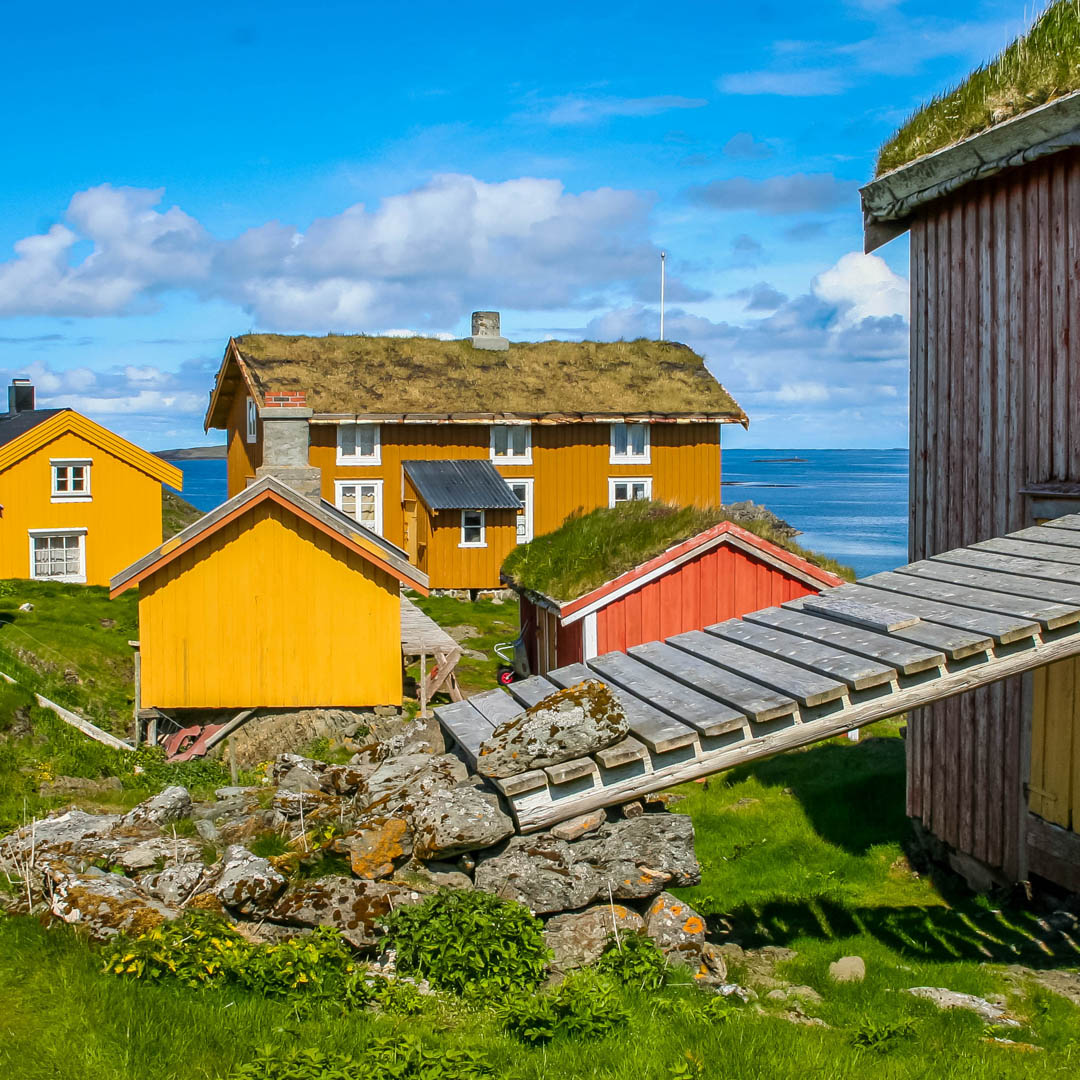
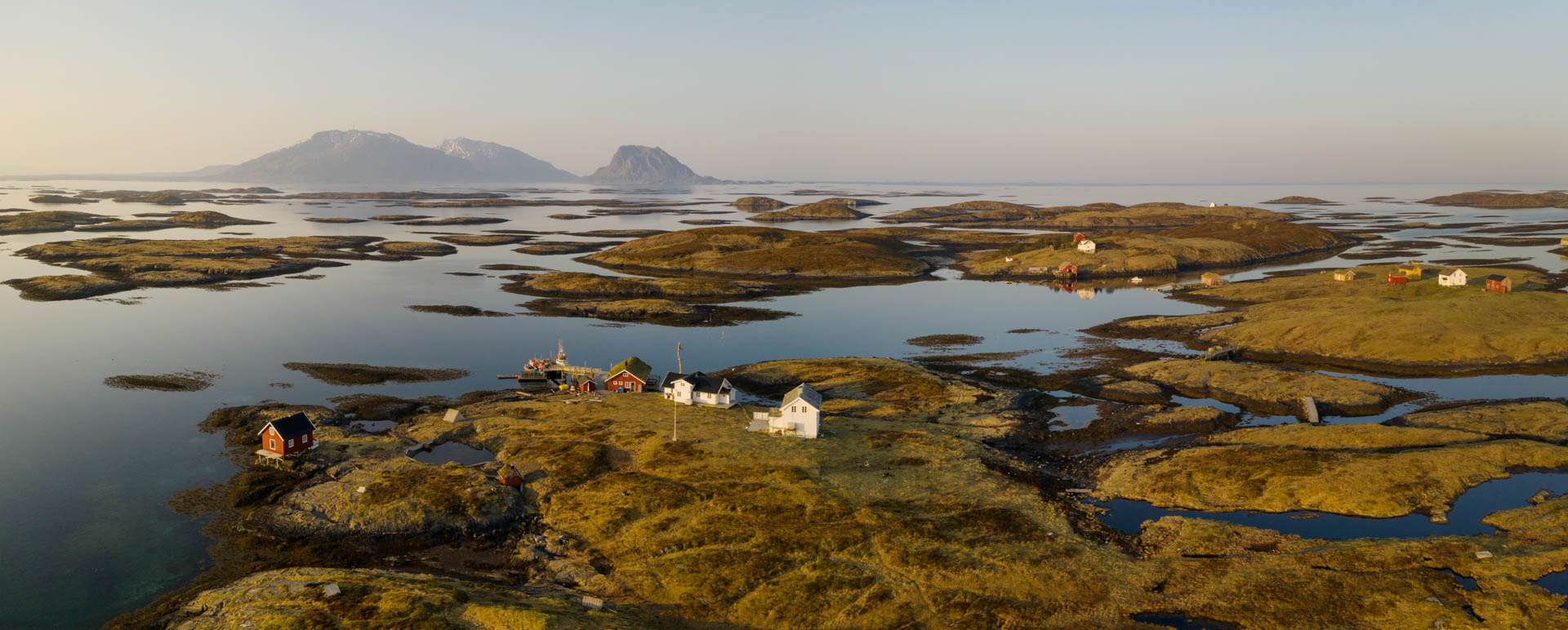
Lånan is one of the eiderdown island communities in Vegaøyan. Photo: Inge Ove Tysnes.
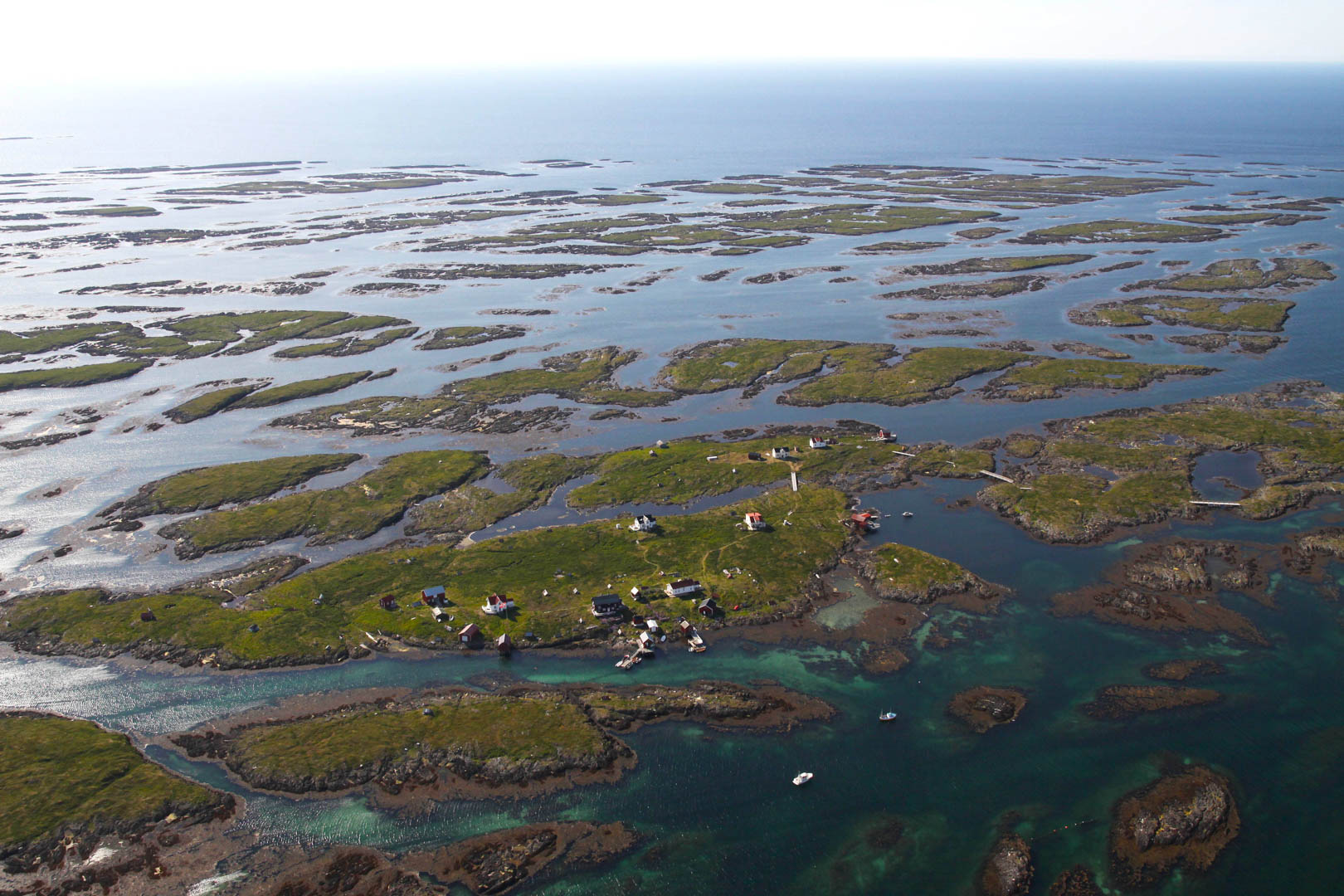
The archipelago far out towards the open sea became Norway's first and still only cultural landscape to achieve such status. The unique cultural landscape in the area is a result of the interaction between humans and nature over a long time period. Particular emphasis has been placed on the unique eider duck and eiderdown tradition, and the status is thus also a tribute to women's contribution to the eiderdown process.
The unique cultural landscape with its eider duck tradition was the main reason Vegaøyan was granted World Heritage status in 2004. Therefore, most of the World Heritage area is located in the archipelago outside the main island Vega, although parts of the main island is also included. The Vegaøyan World Heritage site is located on the coast of Nordland just south of the Arctic Circle
Unesco and World Heritage
Unesco was established by the UN after World War II and became the organization tasked with working for education, science, culture, and communication. In 1972, Unesco adopted the World Heritage Convention to preserve the world's important cultural and natural sites for future generations. The areas, structures, and cultures that receive World Heritage status are considered to be of such outstanding value that they are humanity's common heritage. They are also important for understanding the development of the Earth, nature, and humanity.
In Norway, we have eight World Heritage sites. These include the rock art in Alta, West Norwegian Fjords (Geirangerfjord and Nærøyfjord), Bryggen in Bergen, Vegaøyan, Struve Geodetic Arc (with four points in Norway), Røros Mining Town and the Circumference, Urnes Stave Church and Rjukan-Notodden Industrial Heritage Site. Read more about World Heritage Norway.