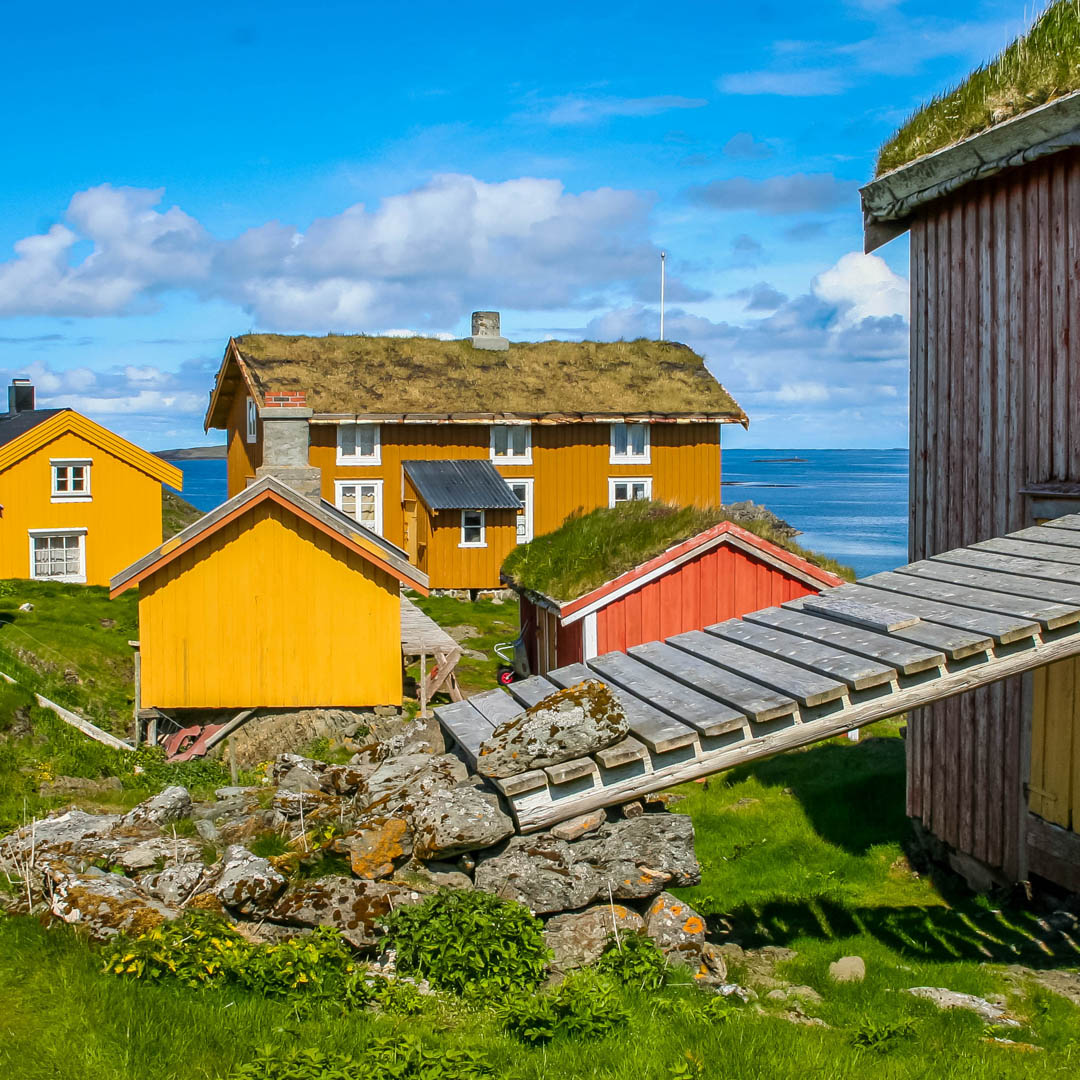
Eider Duck Tending
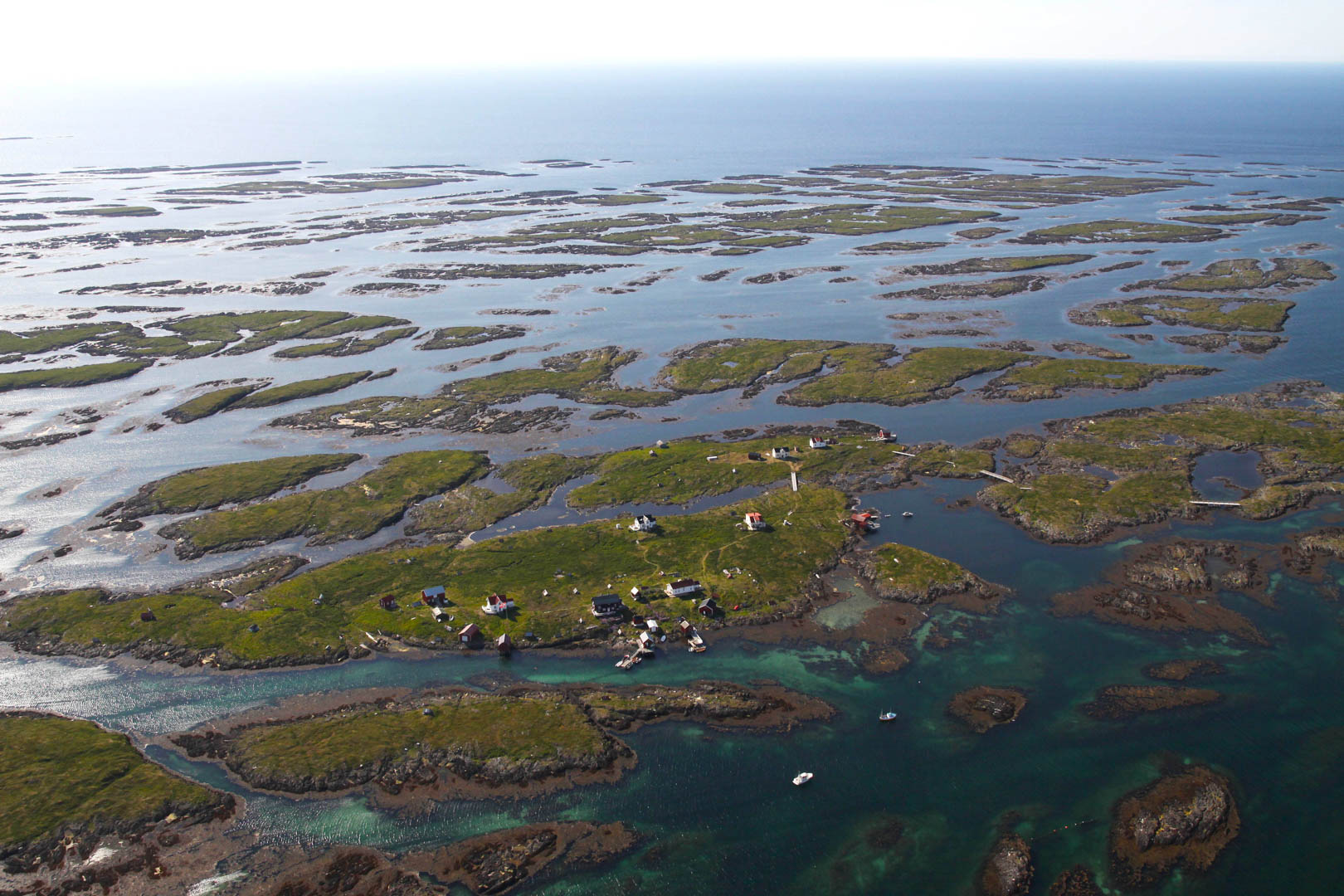
The eider duck tradition is an important part of the Vega Archipelago's World Heritage status. For generations, people have lived in close harmony with nature, caring for the eider ducks throughout the nesting season. The work with the birds, the eider houses, and the valuable down demonstrates a unique interplay between humans, birds, and the coastal landscape – and is also a tribute to the crucial role of women in the island community.
Down cleaning is still done with the traditional down harp. Here from Lånan. Photo Cyril Ruoso.

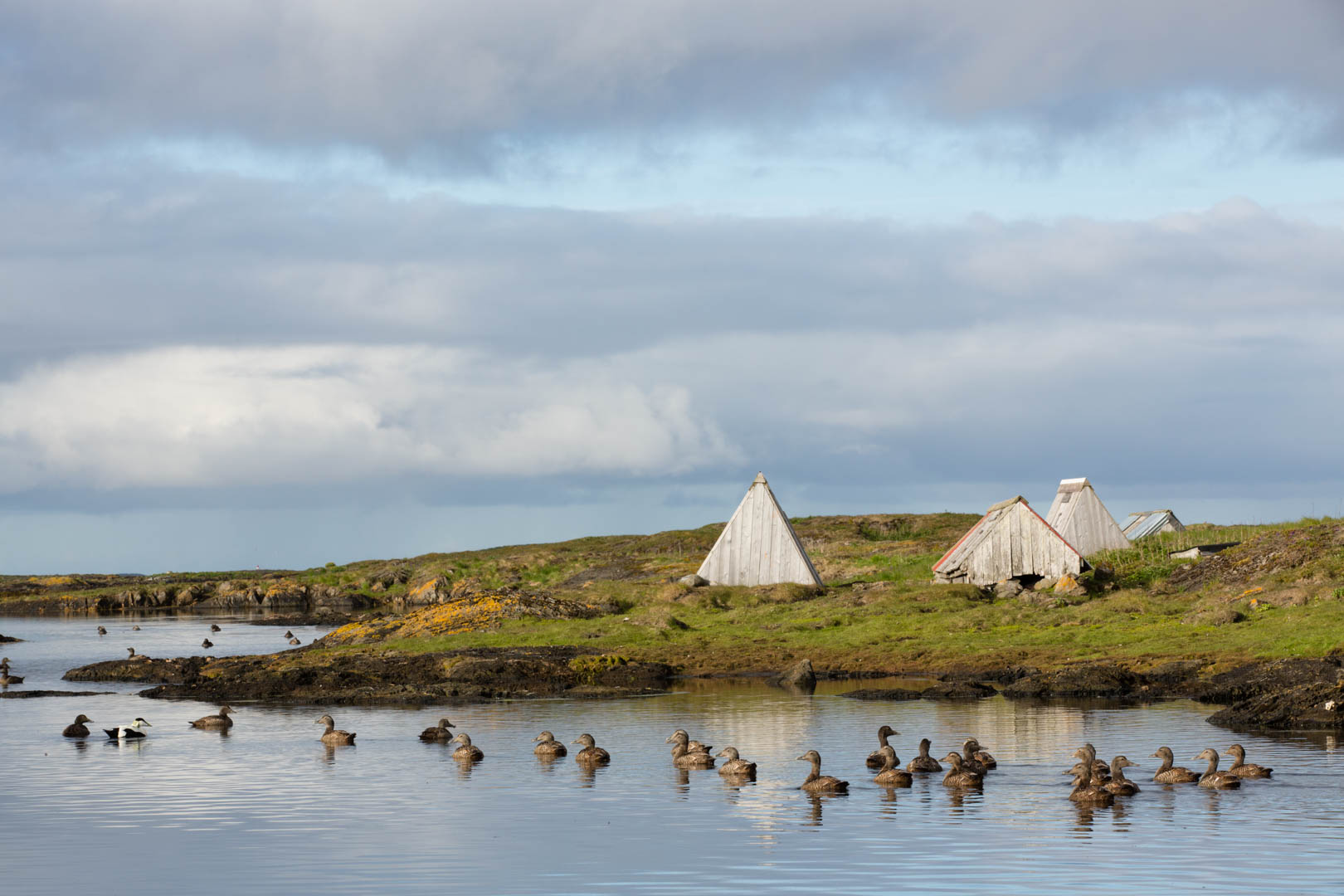
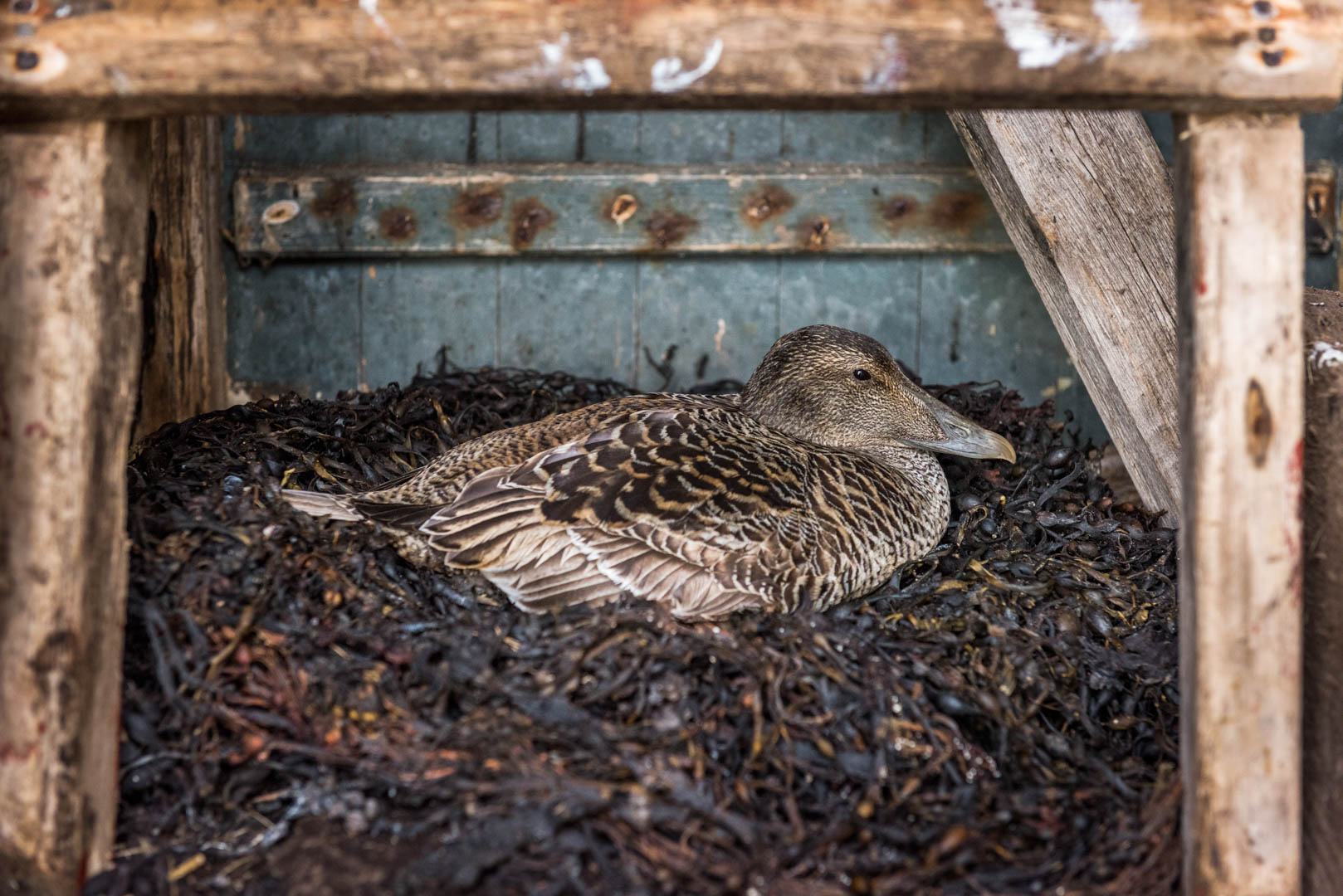
A significant part of the World Heritage is the unique tradition where people built small houses, called eider houses, where eider ducks could safely nest. It was primarily the women who cared for the eider ducks throughout the nesting season and collected the down, making the World Heritage status a special tribute to women's work.
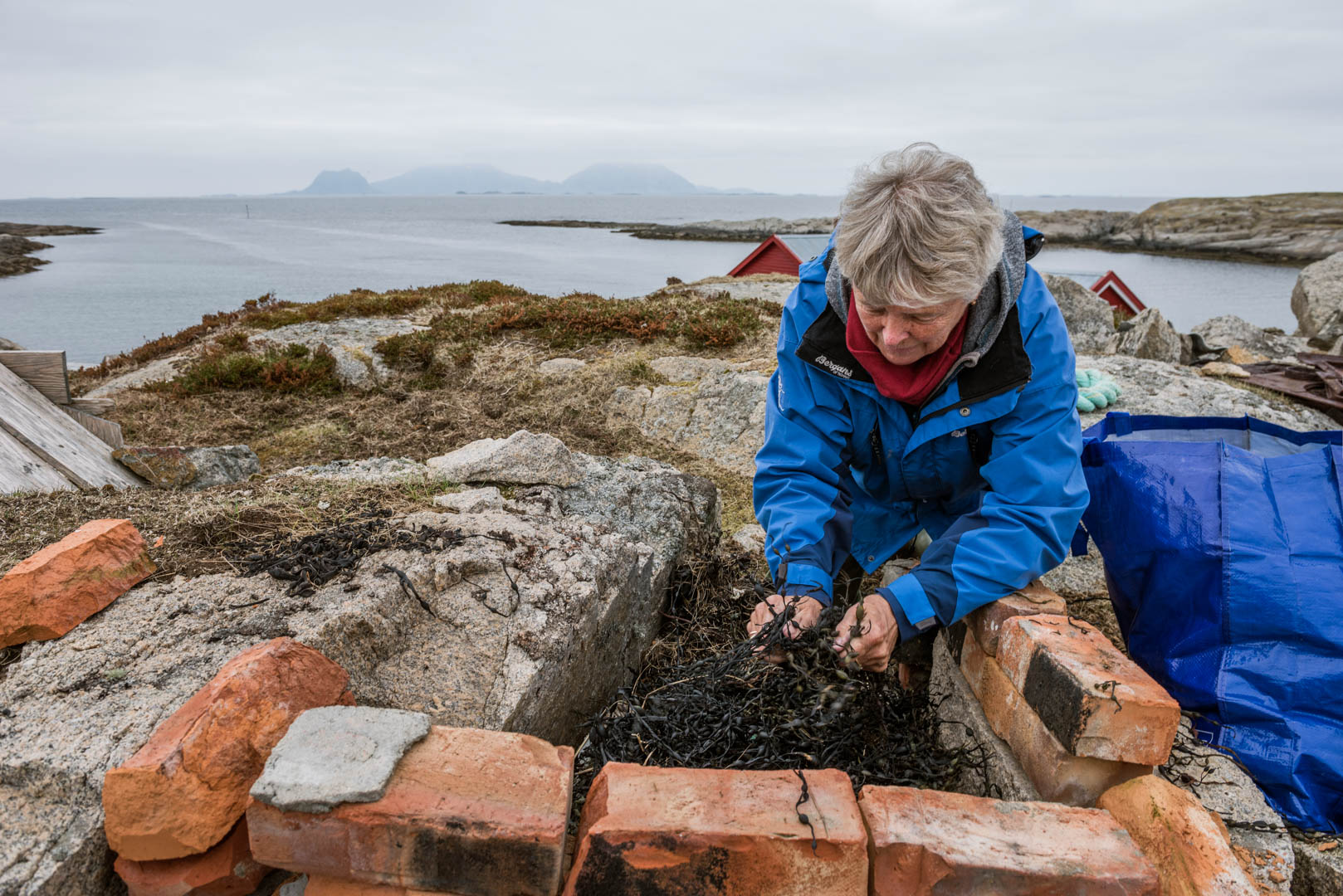
When the female eider ducks left the nest with their young, the soft and warm down that the female had used in the nest remained. The women collected and cleaned the down.
The inhabitants of the islands were crofters and tenant farmers who had to pay rent for land and houses with eggs and down to the landowners at Tjøtta or Tilrem. The down was also sold, becoming a unique and valuable export item from Norway to Europe. For a long time, down and eggs were important trade goods and could account for up to half of a household's annual income. The down tradition is still maintained today, and those who work with this special craft are now called eider tenders.