The Fisherman-Farmer and the Cultural Landscape
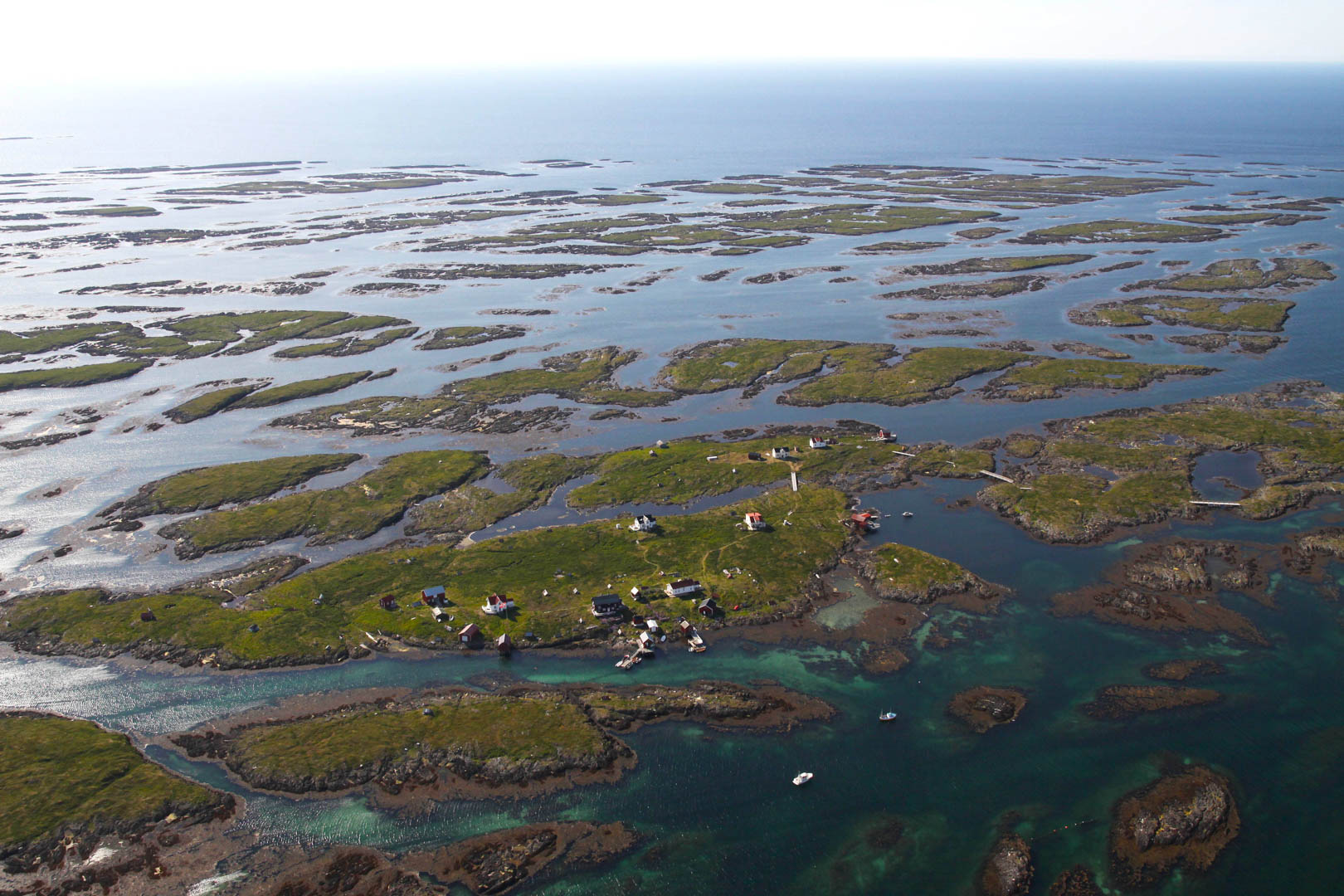
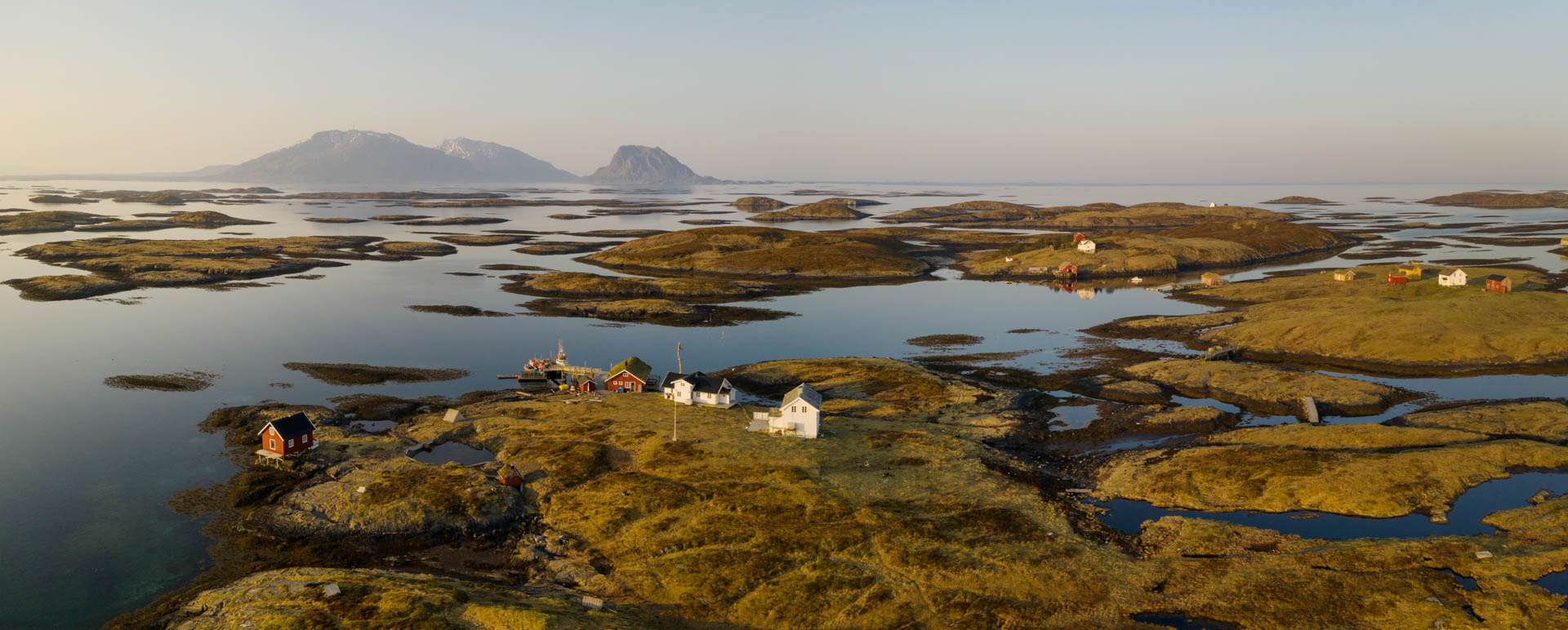
When the low-lying islands around the main island of Vega were first settled about 1500 years ago, they were initially used as outposts for fishing, hunting, and gathering.
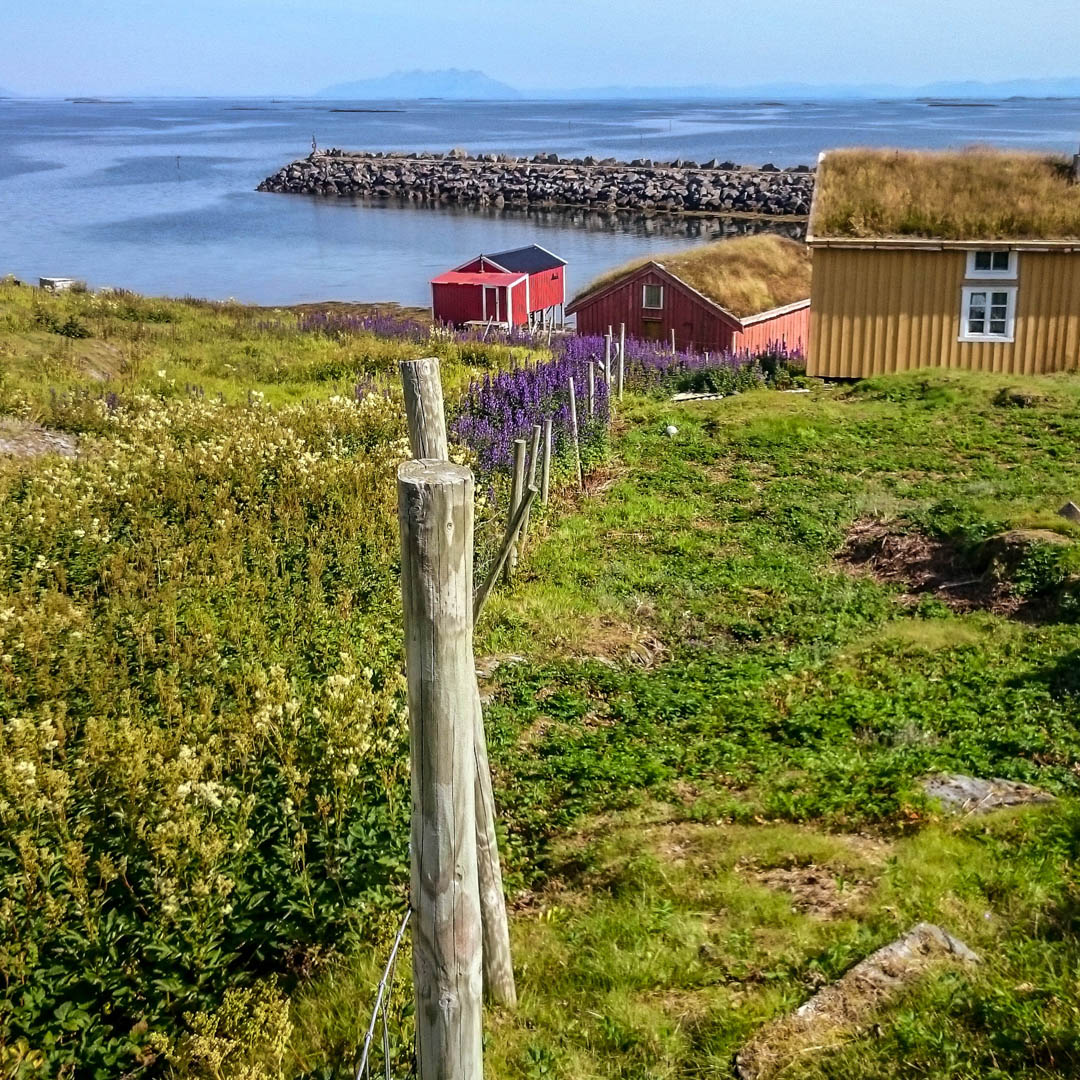
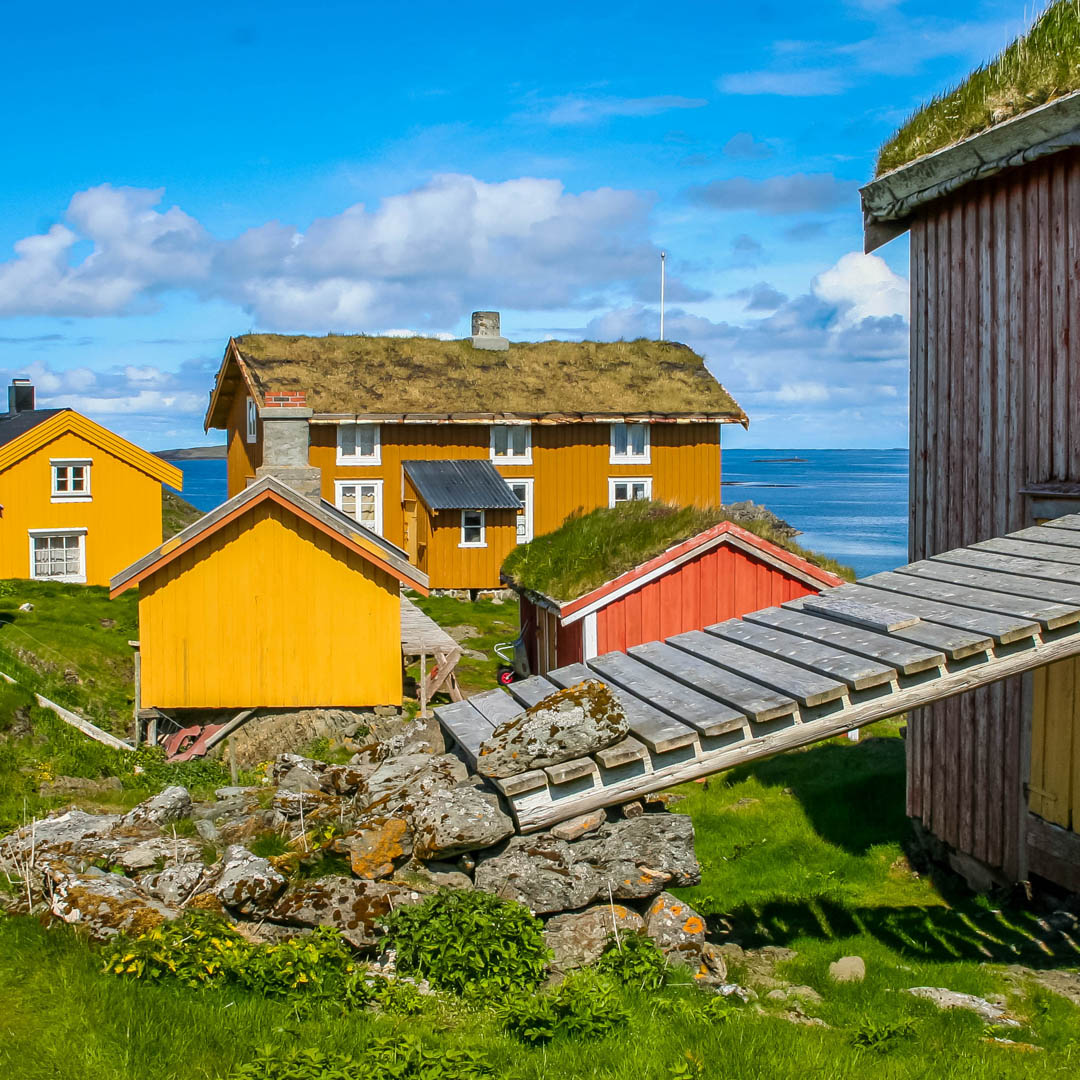
The Nordland houses are part of the architectural heritage in the Vega Archipelago. Photo: Rita Johansen.
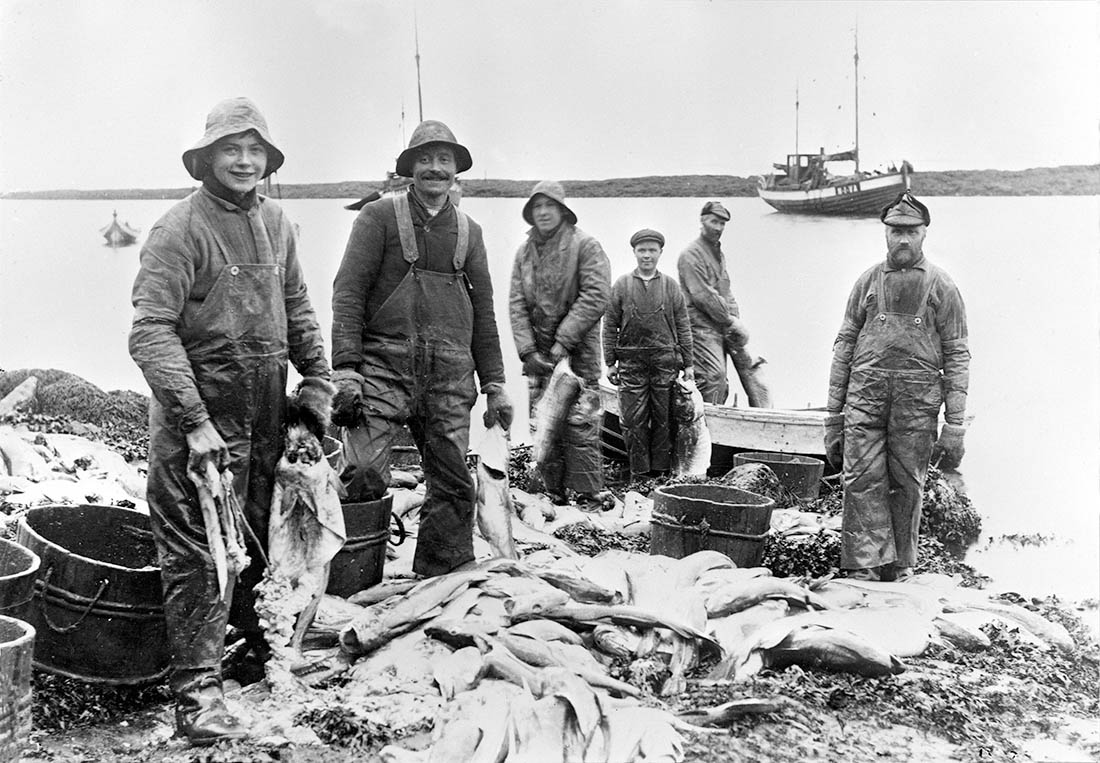
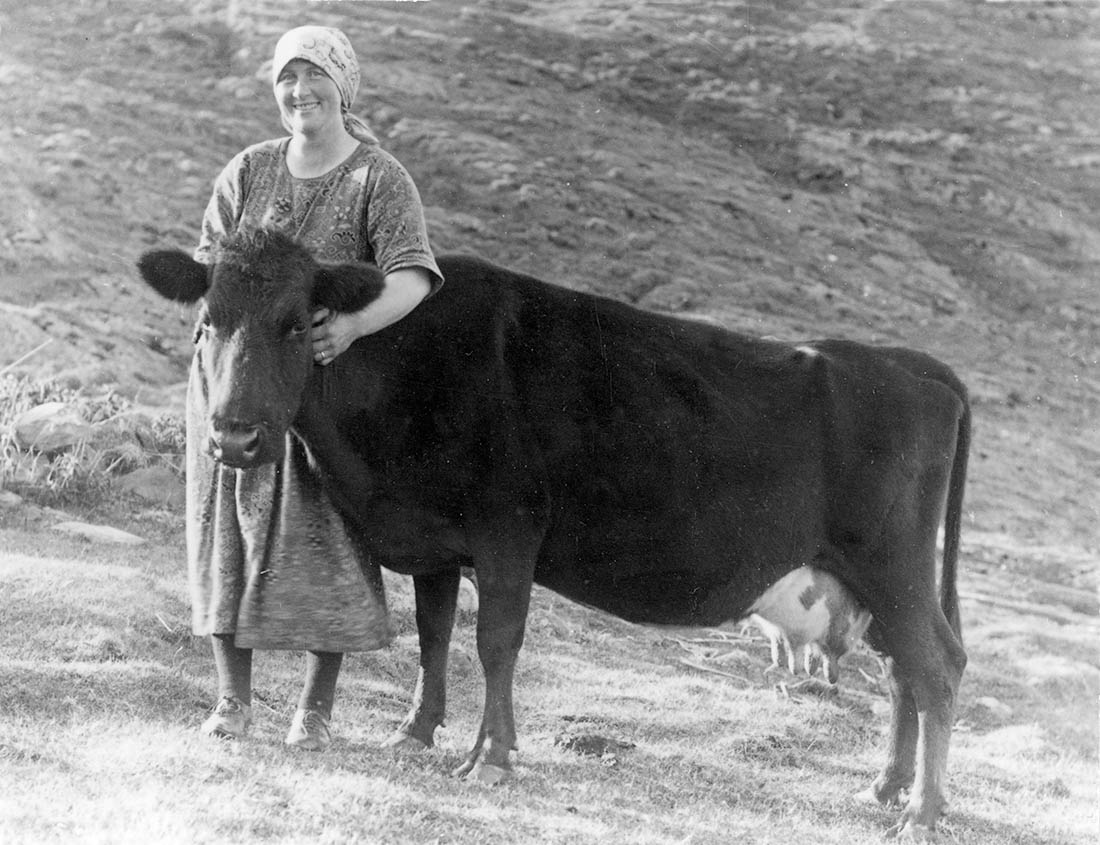
The many island on the vast strandflat, with their rich flora and fauna, eventually offered unique opportunities for settlement. Over generations, the islanders have lived in this archipelago and shaped it into a unique cultural landscape. The 'fisherman-farmer' who managed to survive in a harsh, weather-beaten area near the Arctic Circle by subsisting on both sea and land left their mark on the surrounding nature. In the fisherman-farmer society, men primarily engaged in fishing, while women were responsible for farm operations, even though they also collaborated extensively.
The traditional agriculture practiced by the fisherman-farmer created a mosaic-like landscape with many habitat types and high biodiversity. This cultural landscape bears witness to a sustainable use of nature, and in many places within the World Heritage area, it is still preserved. The archipelago's universal value lies in the still-living cultural traditions that have developed along a weather-beaten coast rich in natural resources.