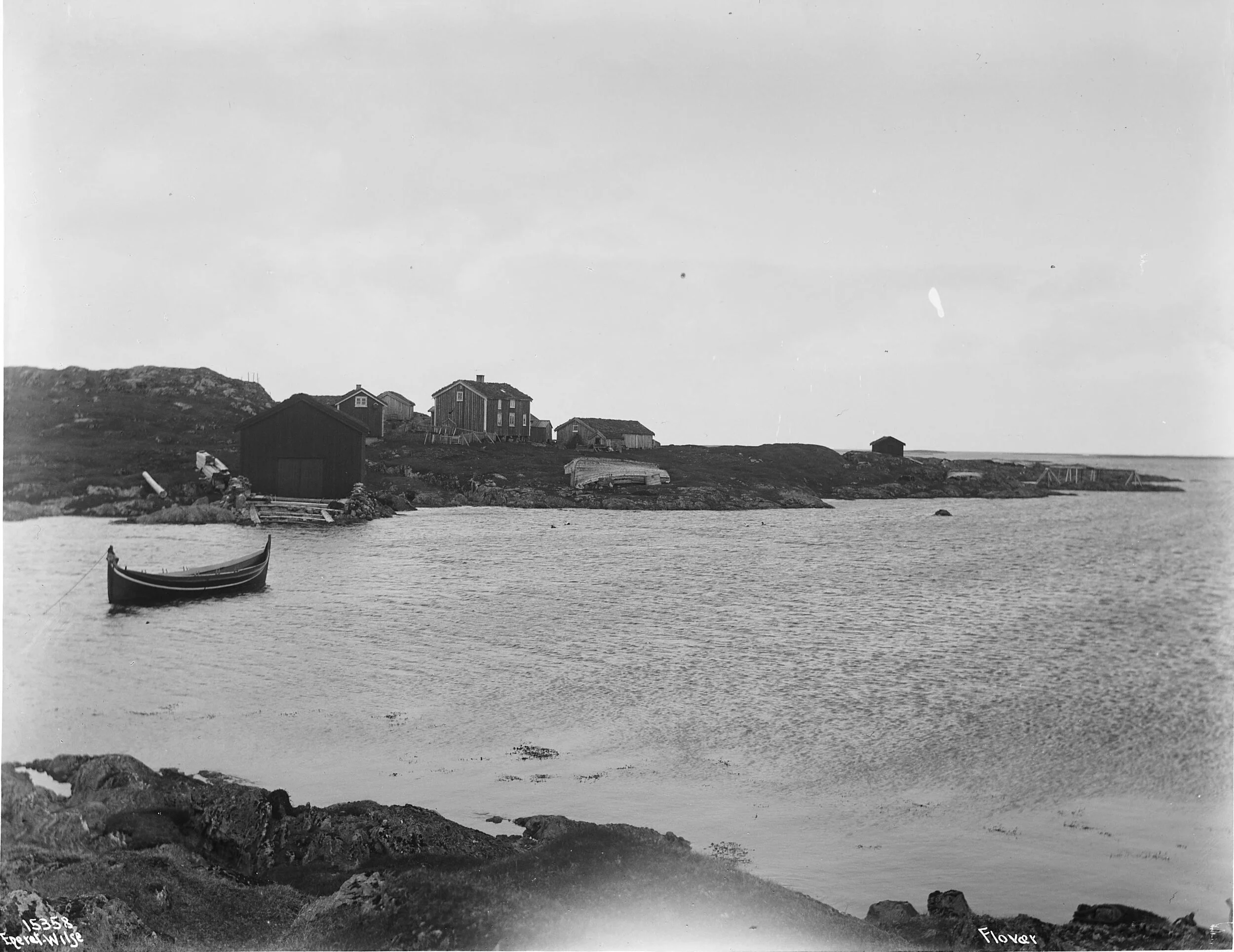
Life on the islands was free, but harsh. Houses were braced against hurricanes and winter storms; in bad weather, islanders often had to crawl from barn to house. In winter, they watched the open sea break against the cliffs.
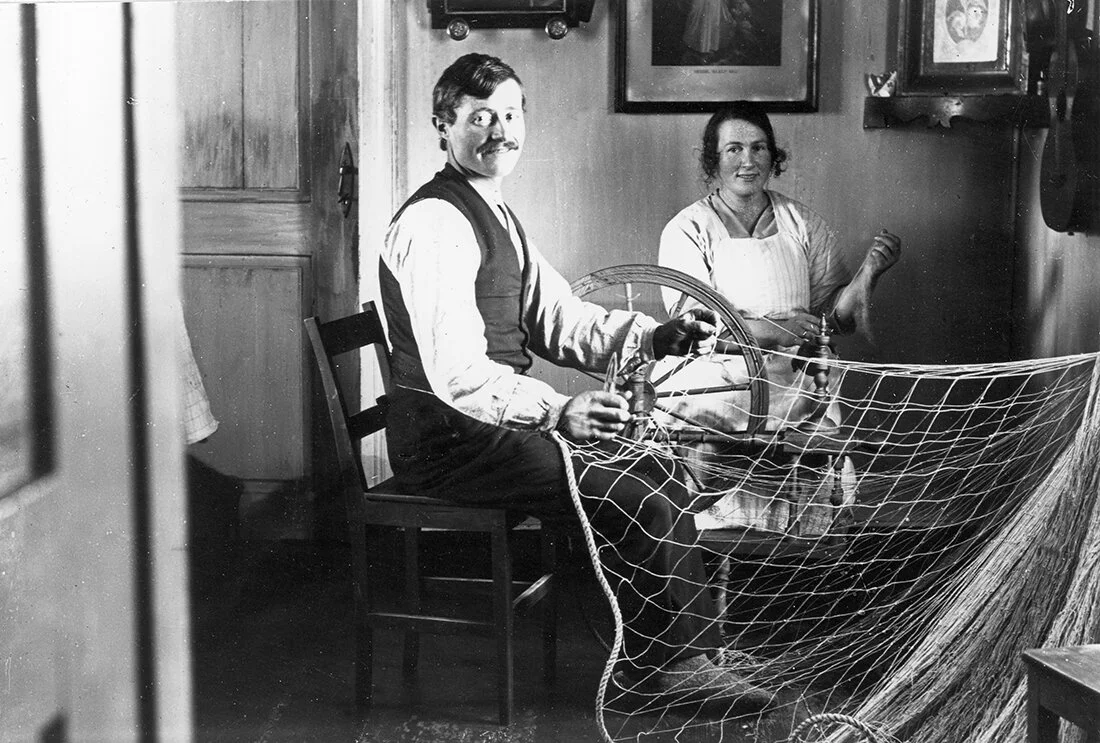
On warm summer days, they could sit outside in a sunny spot, cleaning the feather-light down, and row out onto a calm sea to catch small saithe on bright summer nights. The hard and laborious life in the wild nature led to strong faith and superstition, and legends, songs, and stories flourished.

The boat was the primary means of transport in the island community. People traveled to the main island of Vega or to Tjøtta to go to church or shop. Boats were used to cross to neighboring islands where cows grazed, to milk them, bring water to the livestock, and collect seaweed as a dietary supplement for the animals. They had to use boats to visit neighbors or take children to school. In the boathouse lay the "trerømming," a boat used for local fishing of cod, herring, saithe, redfish, and haddock. Spring and autumn were the seasons for seal hunting. The large "åttring" and "fembøring" boats were used for deep-sea fishing and long voyages to Bergen; "fembøring" boats and "jekter" (cargo boats) traveled to Bergen, south into Europe, and north to Arkhangelsk in Russia. In a fresh breeze, they could truly sail sharply with boats whose lines originated from Viking ships. A large fleet departed each year for the Lofoten and Finnmark fisheries.

A narrow cart track runs between the houses, stone breakwaters connect islands, and paths lead to people. Overland, travel was on footpaths over mounds where the terrain was driest. But the main route was between the islands, by sea, to and from the good fishing grounds and into Vega. Islanders didn't need sea charts. The sound of waves against the skerries told them where they were. Before scheduled boat services were established, people had to arrange their own transport between the islands and to the mainland. In 1872, there were eight "bygdefarsjekter" (local cargo boats) in the area, in addition to a schooner and approximately 120 larger boats. When Torghatten Dampskippsselskap was established in 1878, the larger island communities received scheduled boat calls. Hysvær, Kilvær, and Skogsholmen still have flag stops.


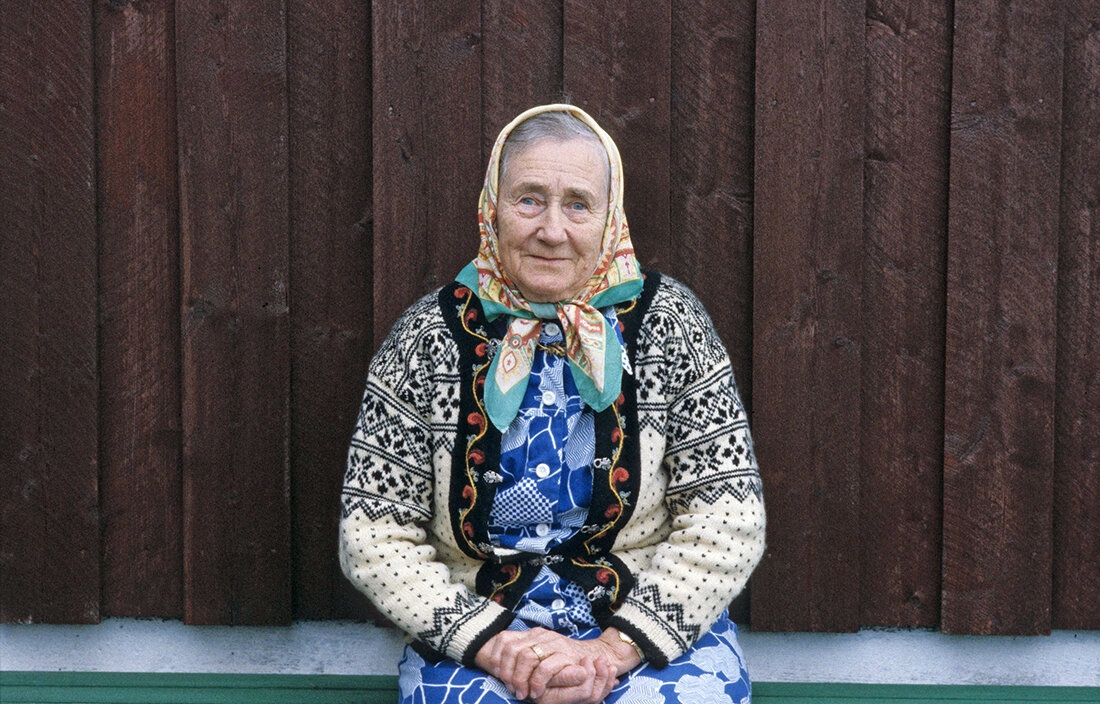
The island communities were fishing and farming societies characterized by self-sufficiency and a subsistence economy. The wife in the family was a farmer and caregiver, looking after children, the elderly, and the farm animals. Farm work was demanding, especially in winter. Women carried water in buckets and yokes from wells or rivers, which were often frozen. The family produced most of what they needed themselves: fish and meat, grain, potatoes, and wool for clothes. The rest they had to buy from the merchant: flour, sugar, coffee, tobacco, and fishing equipment. The man was a fisherman and helped with farm work. The soil was thin on most islands. All vegetation had to be utilized if people and animals were to survive out there. "Bunød" (food shortage) often occurred in the "vårknipa" (spring pinch) when winter provisions were depleted. Before potatoes were introduced to Norway, grain was important. It arrived on "jekter" (cargo boats) from Bergen, exchanged for dried fish brought south from the fishing villages. But wind and weather made deliveries uncertain, so most islands had their own barley fields. The land register states that it was common to plant half a barrel of barley on each farm. The flour was used for porridge, bread, and flatbread, which was eaten with fish. Flatbread was baked in the autumn and could be stored through the winter. Potatoes became an important dietary supplement, but poor soil and salt from the sea often led to bad harvests. Every opportunity for growth was exploited. Onions were planted in seaweed, potatoes were set with fish guts as fertilizer. Spring plowing began as soon as "the sowing door in Finnkneet was open" (when the snow had melted from the south side of a large mountain peak on the mainland).
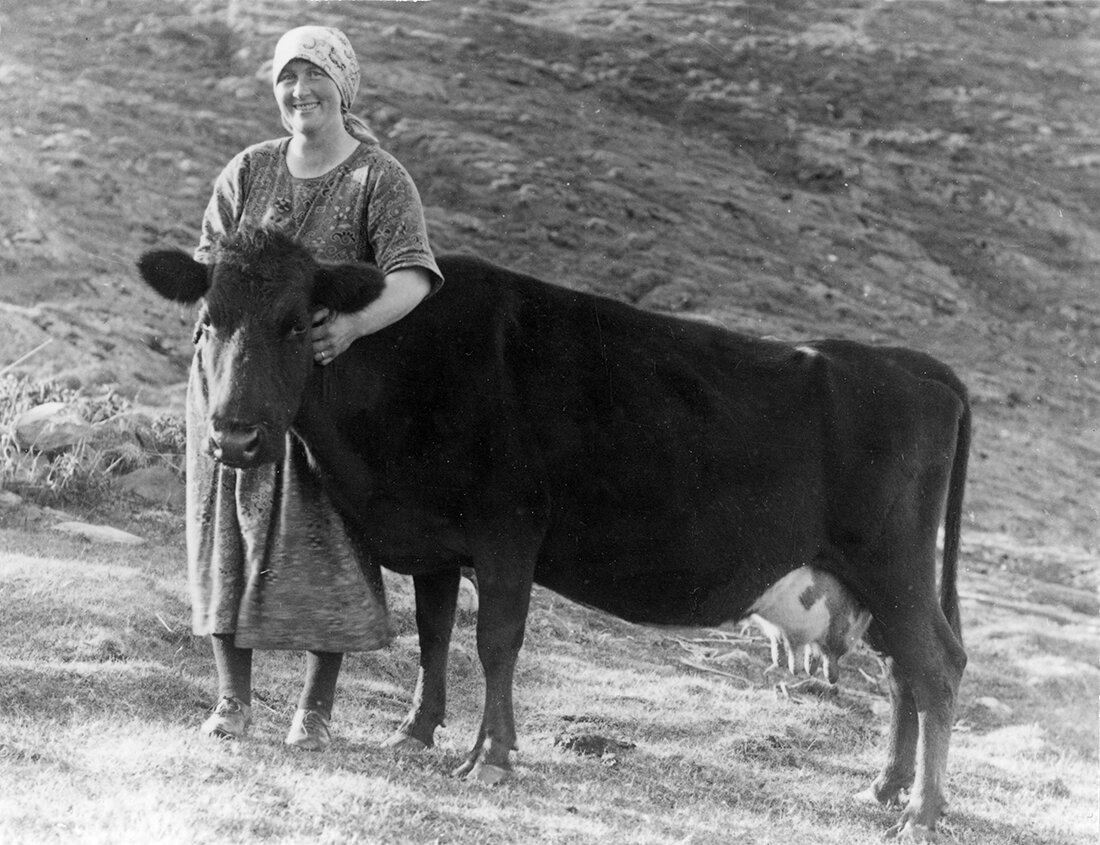
The livestock consisted of a few cows, sheep, chickens, and a pig. The land was divided into "innmark" (infield) and "utmark" (outfield). In the infield, hay was mown, spread out to dry, or hung on drying racks. The outfield was pasture for cows. On the grassy islands, people managed well in good summers; it was harder on the most barren islets. Everything had to be utilized. Fodder was brought in from islets and skerries. All green vegetation was mown, dried, collected in sacks, and brought home by boat. The surrounding islets were also used as pasture for sheep and cows.
What the land couldn't provide in fodder had to be sourced from the sea. Seaweed (sheep's wrack and bladder wrack) was gathered from skerries and along the shore to supplement winter fodder. The seaweed was distributed into buckets and tubs, and boiling water was poured over it. In spring, they switched to harvesting kelp, rowing out between islets and skerries equipped with kelp scythes. This was a dangerous harvest; many perished while working in the kelp forests.
Fish was not only used for human consumption. It was also an important part of animal feed. The men brought old herring bait home from fishing in Lofoten. This was used to supplement the feed. The fatty waste from the liver, "graks" (fish offal), was also given to the cows, along with other fish waste. In every house, the barn pot hung or stood on the stove with bones, fish heads, and milk boiling. This was known as "løyping."
The islands are bare and treeless. The discovery of large roots in the soil indicates that there was once forest on Vega and Ylvingen. Grazing has contributed to the landscape remaining sparse. After livestock farming was reduced, a lot of deciduous forest has grown up. In addition, spruce has been planted on both Vega and some of the smaller islands. Many traveled by boat to Velfjord to buy firewood, a journey that could end in shipwreck if the cargo shifted.
Peat was used for fuel, but most islands had so little topsoil that what little there was could not be burned. Larger island communities might have specific peat islands. Coal has been widely used as fuel on the islands. It was brought in by local cargo ships from Bodø and sold in bulk or in sacks.


The sea brought in a good deal of fuel for the islanders. Some households almost exclusively burned driftwood. Winter was driftwood season. Then, great treasures drifted ashore to the islands facing the open sea. After storms, people rowed out and gathered driftwood, planks, and boards from deck cargo. The children searched for treasures on the shore. Everything that could be burned was saved. One had to retrieve the wood above the high tide mark.
When the driftwood was stacked in a particular way, often in a pile with a stone on top, no one else could take it. The driftwood preferably had to stay outside over winter so that the salt would wash off, as salt caused stoves to rust quickly. Many saved the nails from the wood before using it for fuel.
A special find among the driftwood was "raksprit" (liquor from flotsam). In 1929, they found so much liquor among the driftwood in Lånan and Sørvær that the year became known as "the great liquor year."